- Prime Marketing Strategies
- Posts
- Waking Up the Waste: A Serial Entrepreneur’s Morning Reflection on Condiment Packet Overload
Waking Up the Waste: A Serial Entrepreneur’s Morning Reflection on Condiment Packet Overload
The Oreo Offense: How Lookalike Packaging Can Derail Your Brand Strategy

Andrew Hazen
July 10, 2025 • Estimated Reading Time: 5 minutes
🌟 Publisher's Note
Welcome to the fourth edition of Prime Marketing Strategies - where strategy meets execution, and ideas meet impact.
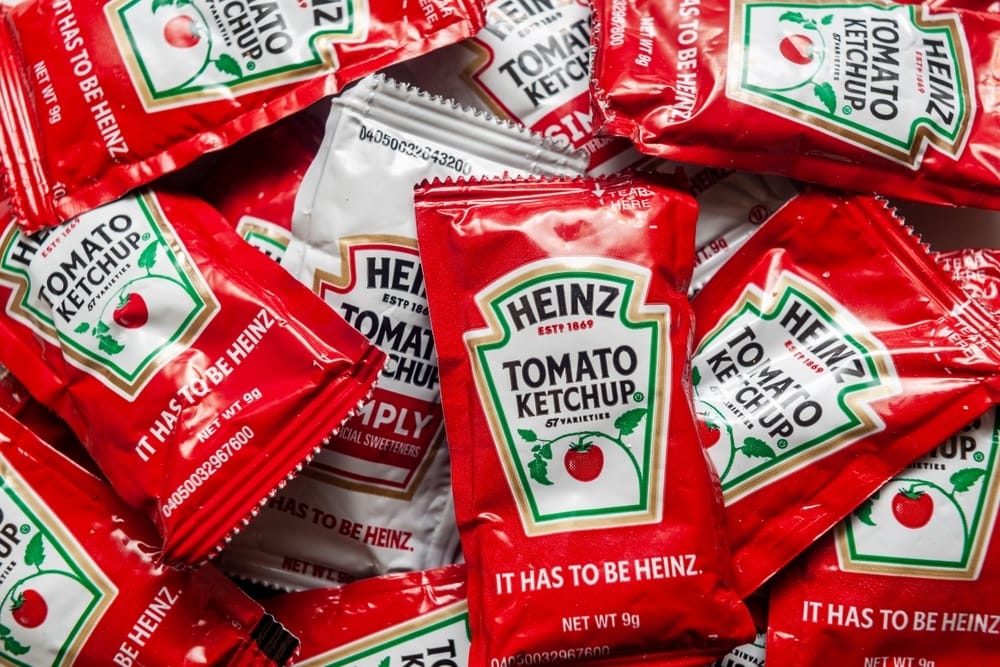
I’m a serial entrepreneur (Yes, I own SerialEntrepreneurs.com), always early on the move; often out before dawn. On these early morning runs to the office or our bagel factory when I don't pass one of our Bagel Boss locations, I frequently pop into a major national franchise outlet to grab an egg and cheese wrap. And without fail, mile after mile, I witness the same extravagance: three ketchup packets in every bag, unused and routinely discarded.
Back at my office and even my home, we’ve accumulated literal POUNDS of ketchup and condiment packets. Soon enough, we organized donation runs to local charities, urging them to accept this unintentional surplus.
This routine has made me wonder: Why are global brands defaulting to over-package? When we buy a single breakfast wrap, why are we handed multiple packs of ketchup, sugar, salt, pepper, utensils - even when most go unused? It's a pattern that screams inefficiency, environmental carelessness, and a missed opportunity to align with customer needs and sustainability.
The Scale of the Problem: Condiment Packet Waste by the Numbers
The problem goes deeper than local annoyance—it’s systemic:
Global Volume of Waste An estimated 850 billion condiment packets are discarded each year worldwide, with only ~10% ever recycled due to complex laminate compositions.
Still in the Trash Greenpeace estimates 855 billion single‑use plastic condiment packets end up in landfills each year. These non-recyclable sachets persist for centuries, generating CO₂ throughout production and disposal.
U.S. Packaging Waste In 2018 alone, containers and packaging made up 82.2 million tons of municipal solid waste—accounting for 28.1% of total municipal waste.
Fast Food by the Pound In the UK, fast-food channels contribute 2.2 million tons of plastic packaging annually, with 11 billion individual items of packaging waste per year.
The Hidden Waste in Packaging Around 28% of food waste is directly linked to packaging flaws - emptied containers too big, perforation issues, or design inefficiencies.
Simple packets may seem negligible, but multiply them by billions, and the environmental and financial costs are staggering.
Entrepreneurial Insight: Default Design vs. Consumer Behavior
As someone who juggles multiple ventures - from tech startups to growth-stage businesses—I’ve seen this kind of misalignment before. Here's what stands out about the condiment dilemma:
Assumed Need Brands often pre-pack multiple condiments “just in case.” But consumer data suggests the vast majority need only one.
Lack of Consumer Choice Defaulting to multi-packet provision misses the mark. Real customer preference would be better expressed if they could opt-in.
Operational Oversight Fast-paced environments aren’t an excuse. A simple question at the point-of-sale (“would you like ketchup?”) could significantly curb waste.
Brand Perceptual Risk Maybe worst of all: over-packaging undermines brand values like sustainability and customer empathy. It's a small thing, but cumulatively, it erodes trust.

Solutions & Entrepreneurial Proposals
Having examined root causes, let me propose a practical blueprint:
A. Empower Customers with Choice
Offer a checkbox at drive-thru kiosks or mobile apps: "Ketchup packet?"
Default a single packet; allow up to three if desired.
Similarly, ask about sugar, salt, pepper, and utensils. It's personalization and cost savings rolled into one.
B. Diversify and Offer Sustainable Alternatives
Bulk Pump Dispensers for Sit-Down Settings Places like in-store lobbies could have condiment stations—reducing packet load.
Reusable Utensil Kits Offer branded reusable forks/spoons at a small premium; incentivize returns with discounts.
Biodegradable Packets Companies like Kraft Heinz target 100% recyclable or compostable packaging by 2025—yet uptake remains low.
C. Innovate Operationally
The Packet Roller Heinz developed a key-chain roller that squeezes leftover ketchup—ensuring full use of each packet. Good; but more systemic redesign is overdue.
Track Donated Excess Encourage employees/locations to record extra packets donated and tie it into sustainable KPIs. Align operations with corporate goals.
D. Launch Awareness Campaigns
Display posters: “Enjoy only what you need—help us reduce waste.”
Partner with local non-profits, highlighting real impact: "Your single packet saved 1,000 packets this month."
Share stats: “Over 80 million tons of packaging waste is produced yearly in the U.S.”
Entrepreneurs know: small operational changes can scale exponentially. These tactics offer measurable savings—monetarily, environmentally, and reputationally.
The ROI: Why It’s a Smart Business Move
Here’s why these changes benefit more than just the planet:
Cost Reductions Even a 10% drop in condiment packet use can save tens of thousands annually across chains.
Brand Differentiation Companies that respect customer needs and the planet stand out—a useful edge in tight markets.
Regulatory Preparedness With rising single-use plastic regulations early planning avoids penalties and disruption.
Employee Engagement Giving employees a simple sustainability metric fosters culture—especially in mission-driven environments.
Customer Loyalty Millennials and Gen Z—who now form a majority of quick-service consumers—prioritize social responsibility. Waste-aware practices build loyalty.
Data-Driven Strategies: The Entrepreneur’s Toolkit
A. Monitor & Measure
Record average packets per transaction.
Track opt-in rates when substitutes (bulk dispensers, single packet).
Measure packet donations monthly for quantifiable impact.
B. Run Pilots
Start small: one region, one outlet.
Use A/B testing: standard vs. opt-in model.
Analyze KPIs: cost/per-customer, customer satisfaction, waste reduction.
C. Expand & Standardize
If pilots succeed, scale system-wide.
Adjust supplier contracts based on new usage forecasts.
Integrate sustainability into brand messaging and annual reports.

Beyond Ketchup: The Bigger Packaging Picture
Starting with ketchup is just the beginning. Broader waste issues include plastic utensils, napkins, salt & pepper and sugar packets
Utensils & Napkins Often unnecessary for eat-in orders. Smart asking could reduce use by 20–30%.
Sugar & Salt Packets Again, defaults treat every breakfast like a diner buffet. Personalize expectations to reduce waste.
Bulk vs. Single-Serve Transitions Across the board, the goal is permission-based distribution—not blanket generosity.
Calls to Action: From One Entrepreneur to Another
For Brands and Franchises:
Audit your current condiment distribution.
Test ask-on-demand vs. default packaging.
Engage suppliers in biodegradable, single-use alternatives.
Report metrics—donations, savings, customer engagement.
Communicate—"Your choice helps us donate 5,000 sachets to local pantries."
For Customers:
Ask at the counter: “Can I skip the ketchup packets?”
Provide feedback via apps—compliments on waste reduction efforts go a long way.
Donate unneeded packets to food banks, shelters, or schools.
Final Thoughts...
As entrepreneurs, we’re trained to spot inefficiencies and monetize opportunity. But some inefficiencies—like condiment packet overuse—are not just about lost revenue; they're about lost potential. The potential to protect our environment, respect our customers, and tell a better brand story.
Imddagine a world where that pre‑dawn egg‑and‑cheese wrap comes with exactly what you ordered: a wrapped pita or bag, exactly one packet of your chosen condiment (maybe zero), optionally an eco‑friendly utensil if needed—and nothing wasted. That efficiency matters.
It's a small change with massive scale. Because while a single packet is tiny, 850 billion packets are not. Put simply: the little things really do add up.
So let’s ask the question: When do we build businesses that waste less—and respect more—one customer interaction at a time?
To your marketing success,

🔥 In Case You Missed It…
🔥 Marketing Strategy Hacks & Tips (You Probably Haven’t Tried)
📦 Unboxing Incentive Loop
Slip a QR code inside every package that leads to a mystery gift, discount, or giveaway entry if they post their unboxing. Turns every order into potential viral UGC.
🧠 Buyer's Brain Hack
On product pages, add a visual showing:
“Here’s what 10,493 people did after viewing this page 👇”
and list:
✔️ 78% added to cart
✔️ 22% used a coupon
✔️ 19% bought 2+
It’s subtle FOMO and social proof in one.
💬 DM-Only Drops
Launch a limited product only available through Instagram or TikTok DMs. “Comment 🔥 to get the secret link.” Feels exclusive, drives engagement, and builds urgency.
🧼 Before/After Carousel Reviews
Instead of plain text, turn your customer reviews into before/after image carousels. Especially powerful for skincare, fashion, fitness, or home decor brands.
👂 The Spy Cart Strategy
Use heatmaps or screen recording tools (like Hotjar) to watch where users drop off in the checkout flow. Then rebuild just that one part. Tiny tweaks = massive wins.
🪄 Magic Cart Preload
Send return visitors an email or SMS that links to a preloaded cart with their last-viewed item and a limited-time discount already applied. Feels personal. Converts like crazy.
💎 Product Page “Flex” Bar
Add a floating top bar that cycles through live purchase data:
“Olivia in Houston just bought the Gold Set 3 minutes ago.”
Feels real. Adds trust. Boosts conversions.
📬 Surprise SMS After Purchase
Send a thank-you text 3–5 hours after purchase with a meme, playlist, or fun message. Humanizes your brand and keeps you top of mind.
Want more high-leverage growth ideas like this? Stay locked in with Prime Marketing Strategies every week. Because the right partnership could be the best ad you never paid for.
PS - I am looking to help entrepreneurs and businesses so please email me your marketing & growth issues and I will try to help (I read EVERY email!)